

If you’ve been keeping up with my social media, you’d know that I promote a whole foods, plant-based diet. Not to mention, I have plenty of plant-based recipe collections and meal plans to choose from; and lastly, I consider myself to be plant-based, as opposed to being vegan or vegetarian, like I used to after I first completed my 90-Day Raw Vegan Challenge.
So, what does the term “plant-based” mean exactly? How can I benefit from such a diet? What’s the difference between that and vegan/vegetarian/pescatarian? & How can I make the transition to become plant-based? Allow me to explain…
What is Plant-Based?
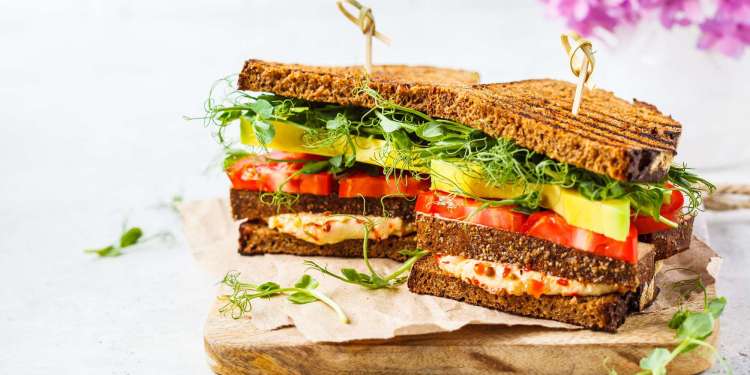
Simply put, the term “plant-based” means that the majority (90%) of the food you eat comes from plants in their whole form (I.e. fruits, veggies, beans, nuts/seeds, whole grains, etc). Meanwhile, 10% (or less) may come from other food sources, if you so choose, such as eggs, dairy, meat, or ultra-processed foods. So, in other words, being plant-based leaves room and flexibility for you to incorporate ultra-processed and animal-based foods into your diet, without feeling that guilt of having a “cheat day” or needing to completely give up your current favorite foods.
What are the Benefits of a Plant-Based Diet?

The benefits of eating a whole food (unprocessed), plant-based diet are plenty. Some of the benefits include:
- Prevents, and in many cases, reverses chronic diseases, such as heart and lung disease, type 2 diabetes, high blood pressure/high cholesterol, and Alzheimer’s disease, to name a few
- Improved cardiovascular system
- Regulated blood pressure and heart rate
- Improved immune system health
- Boosts your strength, power, and energy levels
- Better digestion and bowel movements
- Clearer skin
- Speeds up your recovery rate
- Longevity
So, What’s the Difference?

As I mentioned earlier, I once considered myself to be both vegan and vegetarian, often due to my occasional sweet tooth, eating cake on special occasions, which always had dairy and/or eggs made in it, as well as eating cheese pizza once in a while when provided at my job or a social event. Not to mention, every time you look at the ingredients of a simple snack or food product, it always surprisingly says “may contain milk” or made in a factory that also produces shellfish, milk, eggs, etc etc etc 😒😖). Because of this, I was tired of having to feel like I had to start over my “vegan streak” and wanted to have that flexibility to be aware, but okay if the foods I eat every once in a while contain a little dairy or eggs in its ingredients. My personal preference, however, is to not eat eggs by itself or drink cow’s milk straight.
So, here are the differences:
Vegan: A lifestyle that avoids all animal-based foods, including dairy and eggs, and stays clear from products made from animals, such as leather belts, sheepskin shoes, animal fur jackets, etc
Vegetarian: This term can be used as an umbrella term with the following categories that fall under it: lacto-vegetarian (consumes dairy, excludes others); ovo-vegetarian (consumes eggs, excludes others); lacto-ovo vegetarian (consumes both dairy and eggs).
Pescatarian: This diet consumes seafood products, and maybe even dairy and eggs; but excludes other meats.
How can I make the transition?

Add before you subtract. This is the recommendation that I usually give to my clients and others who are hesitant about making the transition. Simply find ways to add fruit and vegetables to the meals you are already eating. You can even consider a gradual change like having Meatless Mondays. Going “cold turkey” is ill-advised and probably not the best option for most. Oftentimes people who do so are not prepared or equipped with the right foods or plan to get them through the week and end up resulting back to the diet they are accustomed to.
Find what motivates you. Is it to live a long healthier life? To keep up with your children? To look and feel better when you go out? Motivations are pivotal to making change of any kind, including changing jobs, relationships, houses, cars, clothes, etc. Your diet is no different. Find something that motivates you.
If you ever decide to go all in and make the transition, check out my meal plans and nutrition programs to get you started. Each of my plans, recipes, and programs have been designed to guide and support you along the way. We can also design one together. Either way, give yourself some time and grace to be able to adjust to this new lifestyle and to build your confidence knowing that your food preferences can change, just like your taste in music, fashion, or movies. You can do this!

3 thoughts on “What is Plant-Based?”
Comments are closed.